The most common signs your property has a stormwater drainage problem include pooling water, overflowing drains, soil erosion, damp areas and water entering your home after rainfall. Identifying these issues early can help prevent property damage and costly drainage repairs.
Stormwater systems are designed to move excess rainwater away from your home, driveways and outdoor areas. When these systems stop working correctly, water can collect around your property and create ongoing problems.
Why Stormwater Drainage Problems Should Not Be Ignored
Australian properties rely on effective stormwater drainage to manage rainfall and protect buildings from excess moisture. Blocked pipes, damaged drainage lines, poor installation or changes to the surrounding landscape can all affect how water moves through your property.
A drainage problem may start with a small puddle after rain but can develop into bigger issues if the water continues collecting near foundations, retaining walls or outdoor structures.
Professional drainage inspections can identify whether the issue is caused by blocked pipes, damaged underground drains or an unsuitable drainage layout.
5 Signs Your Property Has a Stormwater Drainage Problem
Recognising early warning signs can help you address drainage issues before they affect your home or land.
1. Water Pooling Around Your Property
Standing water in your yard, garden beds or near your driveway is one of the clearest indicators of poor stormwater management. Water should normally drain away efficiently after rainfall.
Persistent pooling may occur because of blocked stormwater pipes, poor ground levels or damaged drainage systems. Over time, excess moisture can affect soil stability and landscaping.
2. Overflowing Gutters and Stormwater Drains
If your gutters overflow or stormwater drains struggle to handle rainfall, there may be a blockage or restriction within the drainage system.
Leaves, dirt, debris and tree roots can build up inside pipes and reduce water flow. Regular maintenance can help prevent some blockages, but recurring overflow may require a professional inspection.
3. Soil Erosion and Damaged Landscaping
Water that does not drain correctly can wash away soil and damage gardens, pathways and outdoor areas.
Erosion around drainage points may indicate that water is flowing too quickly, being directed incorrectly or escaping from damaged underground pipes.
4. Damp Spots or Water Damage Near Your Home
Moist patches near your building, musty smells or water marks can indicate that stormwater is not moving away from your property correctly.
Excess moisture around foundations can contribute to structural concerns over time. Addressing drainage issues early can help protect your home.
5. Cracked or Damaged Stormwater Pipes
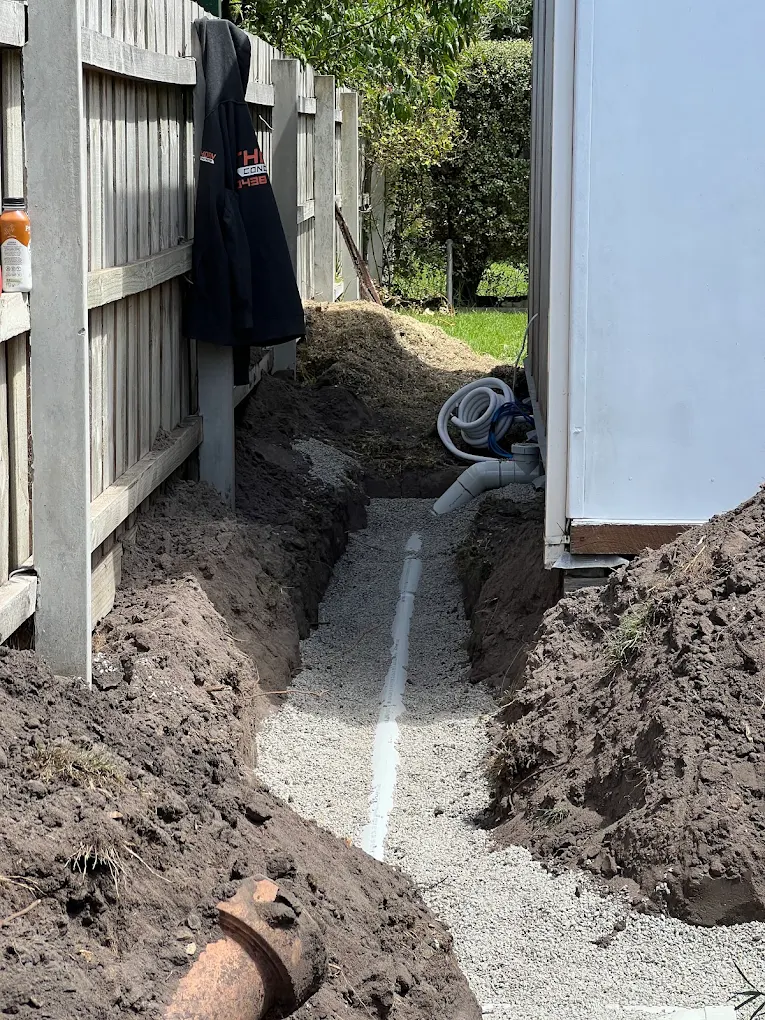
Underground stormwater pipes can become damaged due to ground movement, tree roots, ageing materials or external pressure.
Because much of the drainage system sits below ground, issues are not always visible immediately. CCTV drain inspections can help locate damage without unnecessary digging.
Common Causes of Stormwater Drainage Issues
Several factors can affect how well your stormwater system works, including:
- Blocked stormwater pipes caused by leaves, dirt and debris
- Tree root intrusion into underground drainage lines
- Damaged or collapsed pipes
- Incorrect drainage installation
- Changes to landscaping or property levels
- Heavy water flow exceeding the existing system capacity
Understanding the cause of the issue is important because temporary fixes may not solve the underlying problem.
How Professionals Inspect Stormwater Drainage Systems
A professional plumber or drainage specialist uses a range of methods to assess stormwater problems.
CCTV drain cameras allow technicians to inspect underground pipes and identify blockages, cracks and damage. Drain locating equipment can also help determine where pipes are positioned before repairs or excavation are considered.
At Pro Plumbing And Excavation PTY LTD, drainage assessments focus on identifying the actual cause of the problem before recommending a repair approach.
This approach helps property owners avoid unnecessary work and choose a solution based on the condition of their drainage system.
Preventing Future Stormwater Problems
Regular maintenance can reduce the chance of drainage failures. Simple steps include:
- Cleaning gutters and removing debris from drainage points
- Checking outdoor areas for unusual water pooling
- Keeping garden waste away from stormwater outlets
- Monitoring changes around drainage areas after heavy rainfall
While basic maintenance helps, underground drainage issues often require professional equipment to diagnose properly.
Australian Stormwater Drainage Requirements
Stormwater systems in Australia must meet relevant plumbing and building requirements to ensure water is managed safely. The Plumbing Code of Australia (PCA) provides requirements for plumbing and drainage work completed by licensed professionals.
Correct stormwater design helps direct water away from buildings and reduces risks associated with flooding, erosion and property damage.
When to Call a Professional
If you notice ongoing water pooling, overflowing drains, damaged stormwater pipes or moisture around your property, professional advice can help identify the cause.
Pro Plumbing And Excavation PTY LTD provides drainage inspections, stormwater solutions and excavation services to help resolve complex drainage issues. Contact the team for an assessment and practical repair options suited to your property.
Conclusion
Recognising the signs your property has a stormwater drainage problem can help you take action before minor issues become major repairs. Pooling water, overflowing drains, erosion and damaged pipes are common indicators that your drainage system needs attention.
A proper inspection can identify the cause and determine the right solution. Pro Plumbing And Excavation PTY LTD can assist with professional drainage services and reliable repairs across Australia.
Frequently Asked Questions
How do I know if my stormwater drain is blocked?
Signs of a blocked stormwater drain include slow water flow, overflowing drains, pooling water and water remaining after rainfall.
Can stormwater drainage problems damage my home?
Yes. Poor drainage can contribute to moisture issues, soil movement and water damage around foundations if left unresolved.
How are underground stormwater problems detected?
Professionals commonly use CCTV drain cameras and locating equipment to inspect pipes and identify damage without unnecessary excavation.
How often should stormwater drains be checked?
The frequency depends on your property, surrounding trees and drainage conditions. Regular inspections are recommended if you experience repeated blockages or water pooling.