A blocked drain usually requires excavation when standard cleaning methods cannot remove the obstruction or when damaged underground pipes need repair or replacement. Severe tree root intrusion, collapsed pipes, repeated blockages and damaged drainage systems are common signs that digging may be necessary to restore proper flow.
A blocked drain require excavation situation is not always obvious at first. Many blockages can be cleared with drain jetting or CCTV inspections, but some problems sit deeper underground and need a more permanent solution.
Understanding When a Blocked Drain Requires Excavation
Many homeowners first notice slow drainage, unpleasant smells or water backing up around the property. While these issues can sometimes be resolved without major work, ongoing problems may indicate damage beneath the surface.
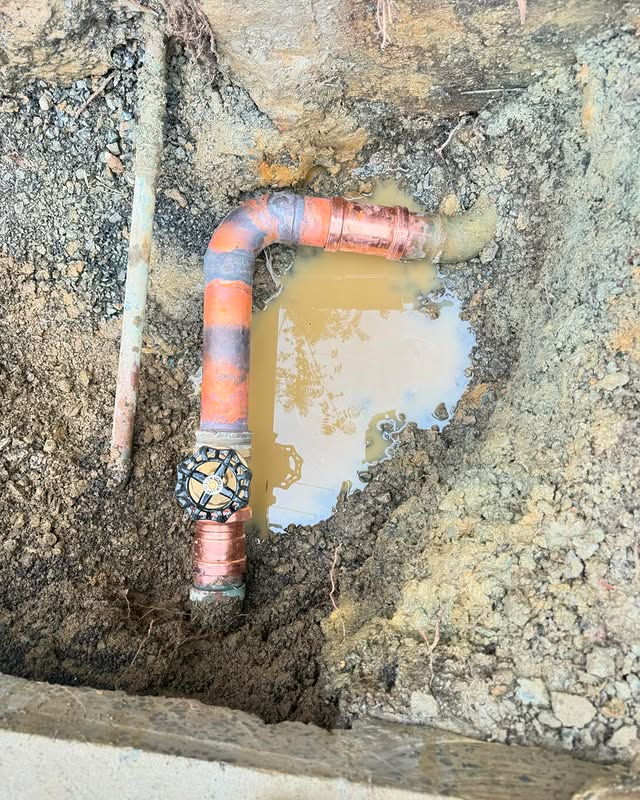
Excavation becomes necessary when plumbers identify structural problems that cannot be fixed through cleaning alone. Underground pipes can crack, collapse, shift out of position or become heavily damaged by tree roots. In these cases, accessing the affected section of pipe is often the most reliable way to complete repairs.
Modern plumbing techniques allow professionals to accurately locate the problem before any digging begins. A CCTV drain inspection can show the condition of the pipe and help determine whether excavation is the right approach.
Common Signs Your Drain Problem Needs Excavation
Knowing the warning signs can help you avoid repeated repair costs and worsening damage. Some common indicators include:
- Frequent drain blockages: If the same drain keeps blocking after cleaning, there may be an underlying pipe issue.
- Collapsed or broken pipes: Cracks, fractures or complete pipe collapse can stop wastewater from flowing correctly.
- Large tree root intrusion: Tree roots can enter underground pipes through small cracks and continue growing until the pipe becomes blocked.
- Sinking ground near drainage areas: Changes in soil levels may indicate leaking or damaged underground pipes.
- Persistent sewage smells: Strong odours may point to damaged sewer pipes or poor drainage connections.
- Multiple blocked drains: When several drains in your property have issues at the same time, the main drainage line may be affected.
Ignoring these signs can allow the problem to become more serious. A small pipe repair can sometimes turn into a larger excavation project if damage continues underground.
How Professionals Diagnose a Blocked Drain Before Excavation
Before deciding on excavation, plumbers usually complete a detailed assessment of the drainage system. This helps avoid unnecessary digging and ensures the correct repair method is selected.
A professional inspection may involve:
- CCTV drain cameras to view blockages, cracks and pipe conditions.
- Drain locating equipment to identify the exact position and depth of underground pipes.
- High-pressure water jetting to remove built-up debris and confirm whether the blockage clears.
- Pipe assessments to determine whether repairs, relining or excavation provide the best long-term solution.
Pro Plumbing And Excavation PTY LTD uses industry-standard methods to assess drainage problems and identify practical solutions. Proper diagnosis helps property owners understand the cause of the issue before major work begins.
Excavation vs Other Drain Repair Methods
Not every blocked drain needs digging. Many blockages can be resolved with drain cleaning, pipe repairs or trenchless solutions depending on the condition of the pipe.
For example, drain jetting can remove grease, sediment and some root growth. Pipe relining may repair certain cracks without replacing the entire pipe. However, excavation is often the better choice when pipes have collapsed, separated or suffered extensive damage.
The right solution depends on factors such as:
- The age and material of the existing pipe
- The location of the damage
- The severity of the blockage
- Access around the property
- The expected lifespan of the repair
A professional plumber can explain the available options and help you choose a repair that suits your property and budget.
Australian Drainage Standards and Professional Repairs
Drainage repairs in Australia must follow relevant plumbing requirements and safety practices. Licensed plumbers complete work according to applicable regulations, including requirements under the Plumbing Code of Australia (PCA).
Professional drainage repairs also consider factors such as wastewater management, property connections and safe excavation practices. This helps ensure the repaired system operates correctly and reduces the chance of future failures.
What You Can Do Before Calling a Plumber
Some basic steps can help you identify the seriousness of a drainage issue:
- Check whether the blockage affects one drain or multiple areas of the property.
- Avoid using chemical drain cleaners repeatedly, as they may not address deeper pipe damage.
- Keep records of previous drain problems and repairs.
- Check for visible signs such as wet patches, unusual smells or changes around outdoor drainage areas.
These checks can provide useful information for a plumber during the initial assessment.
When to Call a Professional
If you have repeated blockages, sewage backups or signs of underground pipe damage, it is time to speak with a qualified drainage professional. Trying to manage a serious blockage without identifying the cause can lead to more damage and higher repair costs.
Pro Plumbing And Excavation PTY LTD provides drainage inspections, excavation services and plumbing solutions designed to identify and repair difficult underground drainage problems. Contact the team for expert advice when your drainage issue requires more than a basic blockage removal.
Conclusion
A blocked drain does not always require excavation, but serious pipe damage, collapsed sections and ongoing failures often need a deeper repair approach. Early inspections can help identify whether cleaning, trenchless repairs or excavation is the most suitable option.
If you are dealing with persistent drainage problems, Pro Plumbing And Excavation PTY LTD can help assess the issue and provide the right repair solution for your property.
Frequently Asked Questions
How do I know if my blocked drain needs excavation?
A blocked drain may need excavation if it keeps returning after cleaning, has damaged pipes, major tree root intrusion or signs of pipe collapse.
Can a blocked drain be fixed without digging?
Yes. Some blockages can be cleared using drain jetting, CCTV inspections or trenchless repair methods. Excavation is generally used when underground pipes require replacement or major repairs.
How long does blocked drain excavation take?
The timeframe depends on the location and extent of the damage. Small repairs may be completed quickly, while larger excavation projects can take longer due to access and pipe replacement requirements.
Why do blocked drains keep coming back?
Repeated blockages often occur because of underlying issues such as damaged pipes, tree roots, poor drainage design or buildup inside the pipe system. A professional inspection can identify the cause.